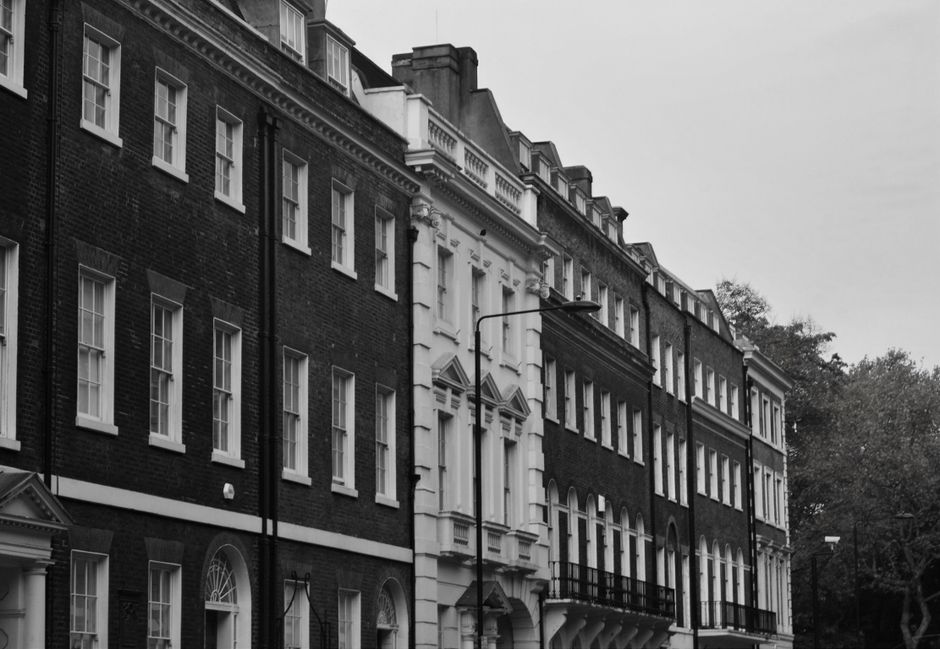
Charterhouse Square commercial cleaning provider in Farringdon: a practical guide for businesses that want a cleaner, calmer workplace
If you run an office, managed workspace, clinic, studio, or retail unit near Charterhouse Square, cleanliness is not just a nice extra. It affects first impressions, staff comfort, hygiene, and the day-to-day feel of the place. A reliable Charterhouse Square commercial cleaning provider in Farringdon helps you keep carpets, upholstery, and shared areas looking cared for without disrupting business. And let's face it, in a busy London setting, "we'll sort it later" can turn into stained flooring, tired common areas, and a building that feels older than it is.
This guide explains what commercial cleaning near Charterhouse Square typically involves, how the process works, who benefits most, and what to look for when comparing providers. You'll also find a checklist, a comparison table, and a few practical tips drawn from real-world site realities rather than generic fluff.
Why Charterhouse Square commercial cleaning provider in Farringdon matters
Charterhouse Square sits in a part of London where space is valuable, foot traffic is constant, and workplace presentation matters more than people often admit. A clean office floor or reception area does more than look good. It supports client confidence, reduces the sense of clutter, and makes the space easier to work in. That sounds simple, but you notice it the minute you walk in.
Commercial premises in and around Farringdon often see a mix of visitors, deliveries, commuters, and staff moving through throughout the day. That means carpets, entrance mats, sofas, and upholstered seating pick up grime quickly. Tiny particles from shoes, coffee spills, damp weather, and everyday use all build up. If cleaning is irregular, surfaces start to look flat and tired. If it is neglected for too long, restoration becomes more expensive and sometimes less effective.
For businesses near Charterhouse Square, the practical issue is not just cleanliness but continuity. You want a provider that understands business hours, shared access, busy corridors, and the need to work around your team. A good commercial cleaning partner should be able to plan around opening times, quiet periods, and building rules without making a fuss. That calm, organised approach matters.
There is also a trust element. People tend to judge a workplace in seconds. A fresh reception, clean carpets, and well-kept seating quietly say the business is organised and pays attention. That impression can be worth more than any decorative detail, truth be told.
How Charterhouse Square commercial cleaning provider in Farringdon works
Commercial cleaning is usually more structured than domestic cleaning because the site, schedule, and hygiene expectations are different. The process often begins with a short assessment of the premises and the materials that need attention. Is the main problem general soil removal? Spot treatment? Heavy wear in a corridor? Upholstered chairs in a meeting room? Each one needs a slightly different approach.
For soft furnishings and carpets, a provider may use hot-water extraction, steam-based methods, targeted stain treatment, or low-moisture techniques depending on the fabric and drying window. The choice matters. Too much moisture on a delicate carpet or office chair can create longer drying times and, in the worst case, odours or repeat soiling. Better providers do not just "clean everything the same way". That would be a bit too convenient, and usually not ideal.
A typical visit often follows this pattern:
- Initial site review and identification of materials, stains, and access needs.
- Pre-treatment of high-traffic or stained areas.
- Deep cleaning using the most suitable method for the surface.
- Detail work on edges, corners, or furniture contact points.
- Drying guidance and aftercare advice.
Commercial jobs near Charterhouse Square can also include furniture protection advice, traffic management during the clean, and simple recommendations to reduce rapid re-soiling. For example, if a meeting room sofa is always used with takeaway coffee cups nearby, the cleaning plan should reflect that reality. Otherwise you are just treating symptoms.
If you are assessing a provider, it helps to ask what services they offer beyond carpets. Many sites need a wider refresh, including commercial carpet cleaning, upholstery cleaning, or targeted stain removal where spills have settled in. If your office also has curtains, rugs, or reception seating, it makes sense to plan them together rather than schedule three separate disruptions.
Key benefits and practical advantages
There are obvious benefits to professional cleaning, and then there are the quieter ones that really show up over time. The obvious ones are visual: cleaner carpets, fresher seating, better presentation. The quieter ones are about maintenance, morale, and cost control.
1. Better first impressions. Visitors may not comment on the condition of the carpet, but they notice it. A fresh, well-maintained workplace feels more credible and more settled.
2. Longer life for furnishings. Dirt acts like fine sandpaper in fibres. Regular professional cleaning can help slow that wear, especially in busy reception zones and walkways.
3. Fewer recurring stains and odours. Drinks, food, and everyday use leave behind residue that standard vacuuming will not remove. Prompt treatment usually gives the best chance of a proper result.
4. Better day-to-day comfort. Staff spend long hours in the same environment. A cleaner room simply feels easier to work in. Less stale smell, less visual fatigue, less "ugh" when you sit down.
5. More predictable upkeep. When cleaning is planned rather than reactive, you avoid those frantic last-minute calls before a client visit or inspection.
In some premises, the difference is especially noticeable after a wet London week. Mud, road film, and general street grime tend to track in, and once they settle into fibres they can make a space look older than it really is. A good provider restores that crisp, cared-for look without turning the day upside down.
Expert summary: For businesses near Charterhouse Square, the biggest value usually comes from regular, correctly chosen cleaning methods rather than one-off deep cleans alone. Frequency, fabric care, and sensible scheduling matter just as much as the machine used.
For a wider refresh, some businesses also need focused care for steam carpet cleaning, soft seating, or even occasional specialist work like curtain cleaning. If the space has a lot of fabric furnishings, those details add up fast.
Who this is for and when it makes sense
This kind of service suits far more than large offices. In fact, many of the best-fit clients are smaller premises that need a polished look without the overhead of an in-house facilities team.
- Professional offices and co-working spaces near Charterhouse Square
- Consultancy firms and client-facing businesses in Farringdon
- Medical, wellbeing, or therapy rooms that need a clean, reassuring environment
- Retail and hospitality spaces with seating areas or fitted carpets
- Managed buildings with shared circulation areas, landings, or meeting spaces
- Landlords and property managers preparing for new tenants
It makes sense to book a commercial clean when you notice one or more of these signs: visible traffic lanes, persistent staining, dull-looking pile, unpleasant odours, or a general feeling that the place is harder to keep on top of. Another trigger is a change in use. If a meeting room becomes a regular touchdown space, it will need more attention than it did before. Buildings evolve, and cleaning schedules should too. Sounds obvious, but it's often missed.
Some businesses only need occasional support. Others benefit from a rolling maintenance plan. A busy reception, for example, may need regular carpet care, while a quieter internal office can go longer between treatments. The smart move is to match the schedule to the actual use of the space, not a generic calendar.
Step-by-step guidance
If you are arranging a cleaning project near Charterhouse Square, a bit of structure helps. You do not need to overcomplicate it, but you do need to be clear about what you want cleaned and when.
- Define the surfaces. List carpets, upholstery, rugs, curtains, mats, or any stain-prone areas.
- Note the problems. Identify spills, odours, heavy traffic areas, or any fabric concerns.
- Check access and timing. Consider opening hours, lift access, security procedures, and whether staff can remain on site.
- Ask about the cleaning method. Make sure the method suits the material and drying window.
- Clarify aftercare. Find out how long spaces should stay off-limits and what should not be done immediately after the clean.
- Review the quote carefully. Check what is included, what counts as extra work, and whether any special stain treatment is separate.
- Plan maintenance. Decide whether a one-off deep clean or recurring service will serve the business better.
A useful little habit: take quick photos of problem areas before the clean. Not for drama, just for clarity. It helps everyone agree on the starting point and gives you a simple way to check progress afterwards. No one needs a mystery stain debate at 8:30 in the morning.
If your property has mixed soft furnishings, it may be worth pairing carpet work with sofa cleaning or upholstery cleaning so the whole room feels consistent rather than half-refreshed and half-tired.
Expert tips for better results
Good results usually come from good preparation. The actual cleaning matters, of course, but the surrounding decisions can make just as much difference.
- Vacuum thoroughly first. Dry soil removal gives wet cleaning a much better chance.
- Deal with spills early. A fresh coffee mark is always easier than a set-in one. Always.
- Match method to material. Wool, synthetic fibres, blends, and delicate upholstery do not all want the same treatment.
- Ask about drying time. This is especially important in busy offices where walking routes cannot be blocked for long.
- Choose quieter periods. Early mornings, evenings, or weekends often reduce disruption.
- Keep a simple stain log. If the same issue keeps appearing in one area, the cause may be operational rather than cleaning-related.
One practical detail that often gets overlooked is air movement. A well-ventilated room can dry much more comfortably than a sealed, stuffy one. That does not mean blasting hot air everywhere; it just means planning the room conditions properly. Small thing, big difference.
Also, if you are looking after a customer-facing space, do not judge the outcome only by the first hour. Some treatments reveal their full benefit once the fibres have dried fully and the pile has settled back into place. Give it a little time.
Common mistakes to avoid
There are a few mistakes that show up again and again in commercial settings. None are complicated, but they can be costly or annoying.
- Choosing price alone. The cheapest quote can become expensive if it excludes stain treatment, aftercare, or proper drying advice.
- Using the wrong method. Heavy moisture on the wrong material can cause more trouble than it solves.
- Waiting too long. Old stains and set-in odours are harder to shift and often need more time on site.
- Ignoring recurring causes. If a doorway keeps getting dirty, the issue may be mats, footfall, or weather exposure.
- Not planning access. A great clean can still become stressful if security, keys, or site entry are not sorted in advance.
- Skipping maintenance. One-off cleaning without a follow-up plan usually slides back to the same problem.
To be fair, most people only make these mistakes once. Then they remember. Usually after a stubborn mark refuses to budge and everyone starts peering at it like it might confess.
If odours or stubborn marks are part of the issue, targeted services such as pet stain odour removal can sometimes be relevant in mixed-use premises, though commercial spaces often need broader stain and fibre care instead of just one-off spot treatment.
Tools, resources and recommendations
You do not need to become a cleaning technician to make a smart decision, but a few practical tools and reference points help.
- Room-by-room cleaning list. Keep a simple inventory of carpets, chairs, rugs, and curtains.
- Condition notes. Jot down problem spots, especially in reception areas and meeting rooms.
- Maintenance calendar. Mark when the last deep clean took place and when the next one should happen.
- Aftercare sheet. Store the provider's drying and use guidance somewhere the team can actually find it.
- Quote comparison notes. Record what each provider includes, not just the headline price.
If you are comparing a few options, the best question is often not "Who is cheapest?" but "Who has thought this through?" That usually shows in how they discuss access, drying, materials, and risk. A provider with a proper understanding of commercial work will usually be clear rather than flashy.
It is also sensible to review business information pages that explain service standards and payment expectations. For example, the site's pricing and quotes, payment and security, and terms and conditions pages are useful places to check how the provider handles commercial work in a transparent way.
Law, compliance, standards, or best practice
Commercial cleaning touches health, safety, access, and sometimes sensitive premises, so best practice matters even where no dramatic legal issue is involved. In the UK, businesses generally expect cleaning providers to work safely, use suitable equipment, and avoid creating slip risks, excess disruption, or chemical misuse. That is not a niche concern; it is basic professionalism.
For many sites, the practical expectations include risk awareness, suitable insurance, staff training, and clear communication around site entry and drying times. If a cleaner is using water-based methods in an office with regular foot traffic, they should think about slip prevention and how the area will be re-opened safely. Simple enough in theory, but essential in practice.
It is also sensible to ask how the provider approaches sustainability and waste reduction, especially if your business has its own environmental policy. A responsible cleaning plan should not leave you guessing about product use or disposal. If that matters to your organisation, the page on recycling and sustainability is a useful place to understand the approach.
For peace of mind, you may also want to check the provider's health and safety policy and insurance and safety information. Those pages do not replace your own due diligence, but they do help you see whether the business treats risk seriously or just says the right words.
In practice, the best commercial cleaners are usually the ones who make the sensible things easy: clear scheduling, careful treatment choices, and honest expectations about drying, access, and outcomes. That is what you want near Charterhouse Square. Nothing dramatic. Just competent, careful work done well.
Options, methods, or comparison table
Different premises need different cleaning approaches. Here is a straightforward comparison to help you think through the trade-offs.
| Method | Best for | Strengths | Things to watch |
|---|---|---|---|
| Steam or hot-water extraction | Heavily used carpets and some upholstery | Good deep-cleaning power; helps lift embedded soil | May need longer drying time |
| Low-moisture cleaning | Busy offices with limited downtime | Faster return to use; less disruption | May be less suited to severe soiling |
| Targeted stain treatment | Specific spills and marks | Focuses effort where needed most | Not a full substitute for whole-area cleaning |
| Combined package cleaning | Reception areas, meeting rooms, client-facing spaces | Creates a more consistent finish across different surfaces | Needs more planning upfront |
For many businesses, the best choice is not one method forever. It is a mix. A high-traffic corridor may need a stronger approach, while a boardroom rug or upholstered chair may benefit from a gentler technique. That flexibility is often the difference between a decent result and a really good one.
If your space contains decorative fabrics, you may also want to explore rug cleaning or curtain cleaning where those items are part of the room's overall presentation. Clean carpet plus tired curtains can feel oddly unfinished. A bit like polishing one shoe.
Case study or real-world example
Here is a realistic example based on the kind of situation many Farringdon businesses face. A small professional office near Charterhouse Square had a reception carpet that looked acceptable from a distance, but by the afternoon the wear lanes were obvious. Guests entering with damp shoes from the street left dark marks, and the staff had stopped noticing how dull the space had become.
The cleaning plan focused on the main entrance, the corridor to the meeting room, and the visitor seating area. The provider used targeted pre-treatment on the darker marks, followed by a deeper clean across the traffic areas. The office also had two upholstered chairs that had picked up coffee rings and general body oils, so those were cleaned at the same time. Nothing flashy. Just a sensible bundle of work.
What changed? The room looked brighter, but more importantly, it felt lighter. Visitors stopped seeing the carpet first. Staff said the space felt more "looked after", which is one of those phrases that sounds small until you hear it repeated by several people. The biggest win, though, was that the company could move to a regular maintenance schedule instead of waiting for the next visible crisis.
That is usually how these jobs go. The visible improvement matters, yes. But the long-term value comes from getting ahead of the problem before it becomes awkward or expensive.
Practical checklist
Use this checklist before you book a commercial clean near Charterhouse Square. It keeps the process tidy and saves time later.
- Have you listed all carpets, upholstery, rugs, and curtains that need attention?
- Have you identified the worst stains, odours, or wear areas?
- Do you know which rooms need cleaning first and which can wait?
- Have you checked building access, security, and parking or loading constraints?
- Have you asked about the cleaning method and drying time?
- Do you know whether the work will happen during business hours or outside them?
- Have you confirmed what is included in the quote?
- Have you reviewed safety, insurance, and payment information?
- Have you thought about recurring maintenance rather than just a one-off clean?
- Have you told staff what to expect before and after the visit?
That is the kind of prep that makes a site cleaner job run smoothly. Simple, but very effective.
Get a free quote today and see how much you can save.
Conclusion
Choosing a Charterhouse Square commercial cleaning provider in Farringdon is really about more than getting floors cleaned. It is about keeping a workplace presentable, safe, and easy to use without turning cleaning into a disruption. The best results come from the right method, sensible scheduling, and a provider that understands commercial realities rather than treating every job like a quick domestic tidy-up.
If you take away one thing, let it be this: plan cleaning around how the space is actually used. That one decision usually leads to better results, lower stress, and a workplace that feels ready for people rather than recovering from them. And honestly, that makes a difference every day.
When a business feels cared for, people notice. Not always in words. Just in how they walk in, sit down, and get on with the day.
Frequently Asked Questions
What does a Charterhouse Square commercial cleaning provider in Farringdon usually clean?
Most providers handle carpets, upholstery, rugs, and sometimes curtains or other soft furnishings. The exact scope depends on the site, the material, and whether you want a one-off deep clean or regular maintenance.
How often should commercial carpets be cleaned?
It depends on footfall, weather exposure, and how client-facing the space is. Busy reception areas usually need attention more often than internal offices. A sensible schedule is based on actual use, not a fixed rule.
Is steam cleaning suitable for office carpets?
Often yes, but only if the carpet type and drying window are suitable. Some jobs need hot-water extraction, while others benefit from lower-moisture methods. The material should guide the method, not the other way around.
Can cleaning be done outside business hours?
Yes, in many commercial settings it can. Evening or weekend cleaning is often preferred because it reduces disruption and gives more time for drying before staff return.
What should I ask before accepting a quote?
Ask what is included, which cleaning method will be used, how long drying will take, whether stain treatment is extra, and what access the provider needs on the day.
Will all stains come out?
Not always. Fresh spills are easier than older marks, and some dyes or fibre damage may be permanent. A good provider should be honest about likely outcomes rather than promising miracles.
What about upholstery and seating areas?
Soft seating can often be cleaned alongside carpets, which is usually more efficient. If your office has meeting chairs, reception sofas, or breakout seating, including them in the same visit often gives a more consistent finish.
How long does commercial cleaning take?
It varies with floor area, fabric type, access, and the amount of pre-treatment needed. A small office may be finished quickly, while a larger or more complex site can take much longer. Drying time also matters.
Do I need to move furniture first?
Sometimes yes, sometimes partly. It depends on the layout and the provider's working method. It is best to confirm in advance which items should be moved and which can stay in place.
How do I know if a provider is trustworthy?
Look for clear communication, sensible policies, realistic advice about drying and results, and proper information on safety, insurance, and terms. A trustworthy provider explains the process plainly and does not dodge awkward questions.
Is one-off cleaning enough?
For some sites, yes. For many businesses, a regular maintenance plan works better because it prevents the space from slipping back into a tired state. If footfall is high, one-off cleaning alone can be a bit of a short-lived fix.
Can cleaning help reduce odours in the office?
Yes, especially where odours are coming from carpets, upholstery, or absorbed spills. The result depends on the source of the smell, the fabric, and how long the issue has been present.
What should I do before the cleaners arrive?
Clear access routes, identify problem areas, secure sensitive items, and let staff know what to expect. A little preparation goes a long way and usually makes the visit smoother for everyone.
Where can I learn more about the company before booking?
It helps to review the company's about us page, along with its policies on safety, sustainability, pricing, and service terms. Those pages can tell you a lot about how the business works day to day.